




A Simple CFM Calculation to Get You Started
“We’ve been getting a lot of questions about how to size an inline carbon filtration system for commercial HVAC applications. Here’s a simple way to calculate the required CFM.”
It’s a question we hear frequently from facility managers, HVAC contractors, engineers, building owners, and maintenance teams:
How much airflow do I actually need when adding carbon filtration to a commercial HVAC system?
The answer doesn’t have to be complicated.
While proper system design should consider the building, contaminants, ductwork, filter pressure drop, fan performance, and the intended application, there is a simple calculation that provides an excellent starting point for determining the required airflow.
And once you know your target CFM, you can begin selecting the right combination of carbon filter + inline fan.

Step 1: Calculate the Volume of the Space
First, determine the cubic volume of the area you want to filter.
The formula is:
Length × Width × Ceiling Height = Cubic Feet
For example:
A commercial workshop is:
- 100 ft long
- 50 ft wide
- 12 ft high
The calculation is:
100 × 50 × 12 = 60,000 cubic feet
So the facility contains approximately 60,000 cubic feet of air.
Step 2: Determine Your Target Air Changes Per Hour
Next, determine how many times you want the filtration system to process the equivalent of the room’s air volume each hour.
This is known as Air Changes per Hour (ACH).
The appropriate ACH depends heavily on the application and the contaminants you’re trying to control.
For example, a facility dealing primarily with general odors may have a very different requirement from a manufacturing environment dealing with significant smoke, VOCs, or airborne particulates.
For this example, let’s use 4 air changes per hour as a planning assumption.
The formula:
Required CFM = (Room Volume × ACH) ÷ 60
Using our example:
60,000 × 4 ÷ 60 = 4,000 CFM
Your starting target is therefore approximately:
4,000 CFM
That gives you a useful starting point for selecting the filtration and ventilation equipment.
Step 3: Don’t Stop at the CFM Number
This is where commercial applications become more important.
A 4,000 CFM calculation does not automatically mean you need a 4,000 CFM fan.
Why?
Because the fan must overcome resistance throughout the system.
That includes:
- Carbon filter pressure drop
- Pre-filter or particulate filter resistance
- Ductwork
- Elbows and transitions
- Dampers
- Grilles
- Other HVAC components
As filters load with contaminants, pressure drop can also increase.
That’s why fan selection should be based on the required airflow at the system’s operating static pressure, rather than simply choosing a fan based on its maximum advertised CFM.
This is one of the reasons we recommend pairing Air Box filtration with properly selected RUCK inline fans.
The objective isn’t simply to move air.
It’s to move the right amount of air through the filtration system under actual operating conditions.
Step 4: Match the Carbon Filter to the Application
This is another important distinction.
CFM is only one part of carbon filtration design.
Activated carbon is primarily used to address gases, VOCs, and odors. The effectiveness of a carbon filter depends on factors including:
- Type and concentration of contaminants
- Carbon type and quality
- Amount and depth of carbon media
- Airflow
- Contact time with the carbon
- Temperature and humidity
- Required service life
In other words, simply selecting a carbon filter because its maximum CFM matches your calculated airflow isn’t enough.
The filtration system needs to be matched to the actual air-quality challenge.
That’s where an experienced filtration supplier can add value.
Step 5: Consider the Contaminants You’re Trying to Control
Before choosing a system, ask a simple question:
“What are we trying to remove from the air?”
Different applications create very different air-quality challenges.
Manufacturing & Fabrication
Potential challenges include:
- Smoke
- Odors
- VOCs
- Dust
- Fine particulates
- Process emissions
Automotive & Service Facilities
Potential concerns can include:
- Exhaust-related contaminants
- Solvent odors
- VOCs
- Smoke
- Chemical odors
Restaurants & Hospitality
Air-quality challenges may include:
- Cooking odors
- Smoke
- Grease-related odors
- VOCs
- General occupant odors
Indoor Growing
Facilities may be concerned with:
- Plant odors
- VOCs
- Humidity
- Heat
- Air circulation
Commercial & Institutional Buildings
Potential concerns include:
- General odors
- VOCs
- Smoke
- Allergens
- Fine particulates
The right filtration solution starts with understanding the problem—not simply choosing the biggest fan.
A Simple Commercial HVAC Sizing Example
Let’s put the calculation together.
Imagine a manufacturing facility measuring:
100 ft × 50 ft × 12 ft
1. Calculate volume:
100 × 50 × 12 = 60,000 ft³
2. Establish a planning target:
4 ACH
3. Calculate CFM:
60,000 × 4 ÷ 60 = 4,000 CFM
4. Account for system resistance:
Now evaluate:
4,000 CFM @ the required static pressure
This is where you look at the Air Box filter’s pressure drop and the rest of the HVAC system to determine the appropriate fan.
5. Select the filtration technology:
If odors and VOCs are the primary concern, a carbon filtration system may be appropriate.
If fine particulate contamination is also a concern, a multi-stage approach combining particulate filtration and carbon filtration may be more appropriate.
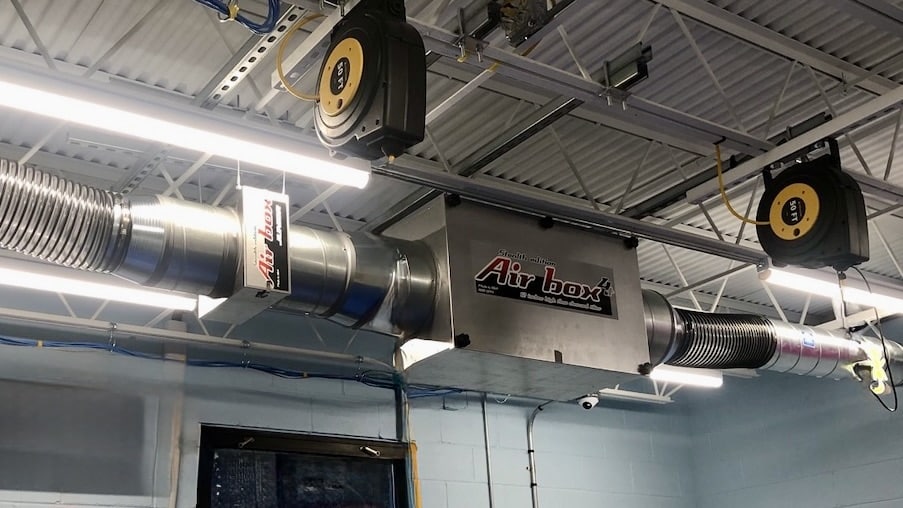
Why Air Box Stealth Is a Smart Solution for Commercial Applications
The Air Box Stealth Carbon Inline Filter was designed around a simple idea:
Commercial air filtration should deliver serious performance without creating unnecessary complexity.
Air Box Stealth combines:
Industrial-Grade Construction
A heavy-duty steel housing provides a durable platform designed for demanding commercial and industrial environments.
High-CFM Filtration
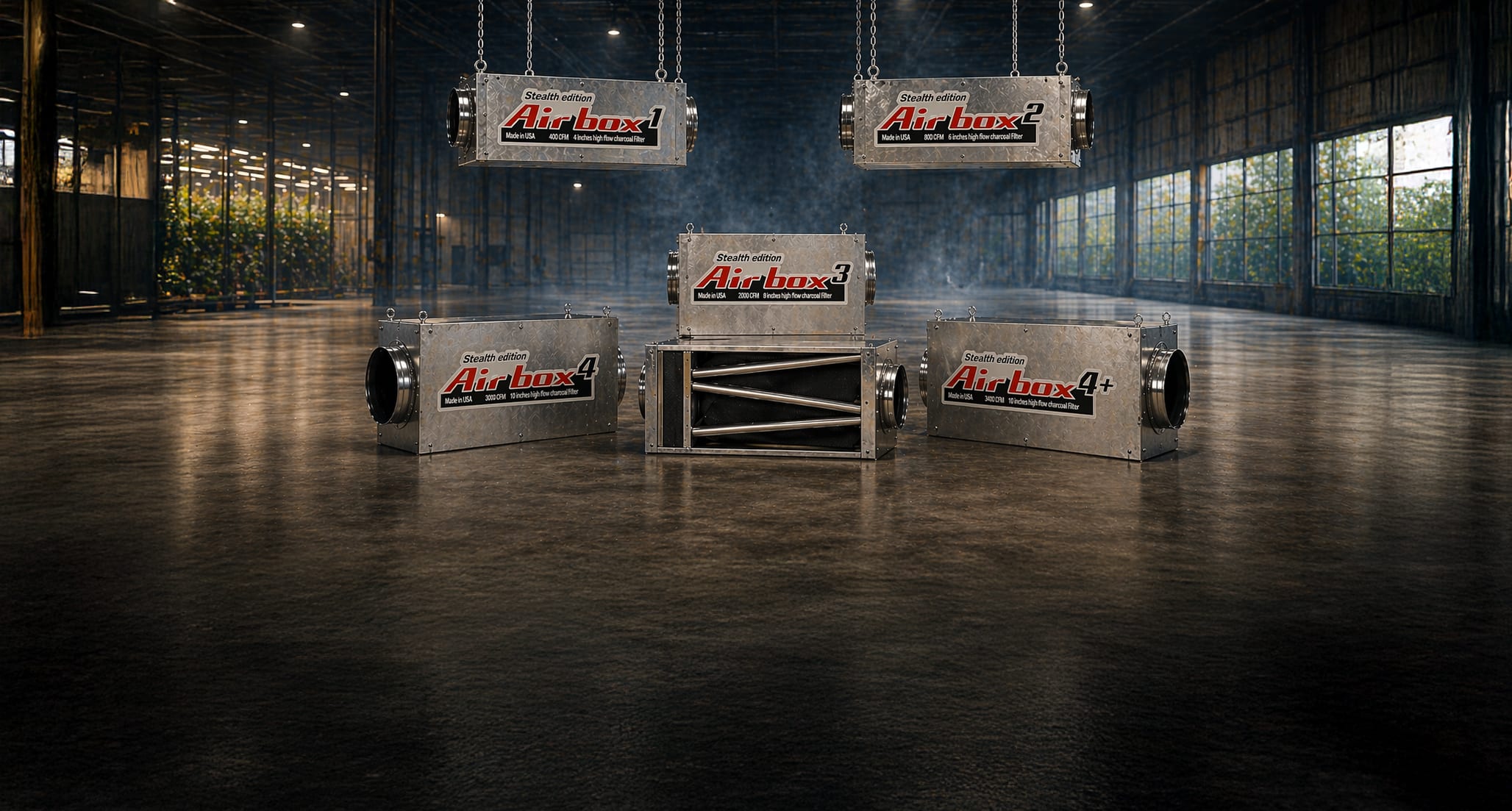
Stealth is available in multiple configurations to accommodate different airflow requirements and applications.
Replaceable Carbon Filtration
When the carbon media reaches the end of its useful service life, the filter can be replaced rather than replacing the entire housing.
That can help reduce:
- Long-term operating costs
- Waste
- Maintenance time
- Equipment downtime
Inline Installation
Stealth is designed to integrate into an existing ventilation or ducted system, making it a practical option for a wide range of commercial applications.
Pair Air Box With RUCK for the Complete System
The filter is only half of the equation.
Airflow is what drives the system.
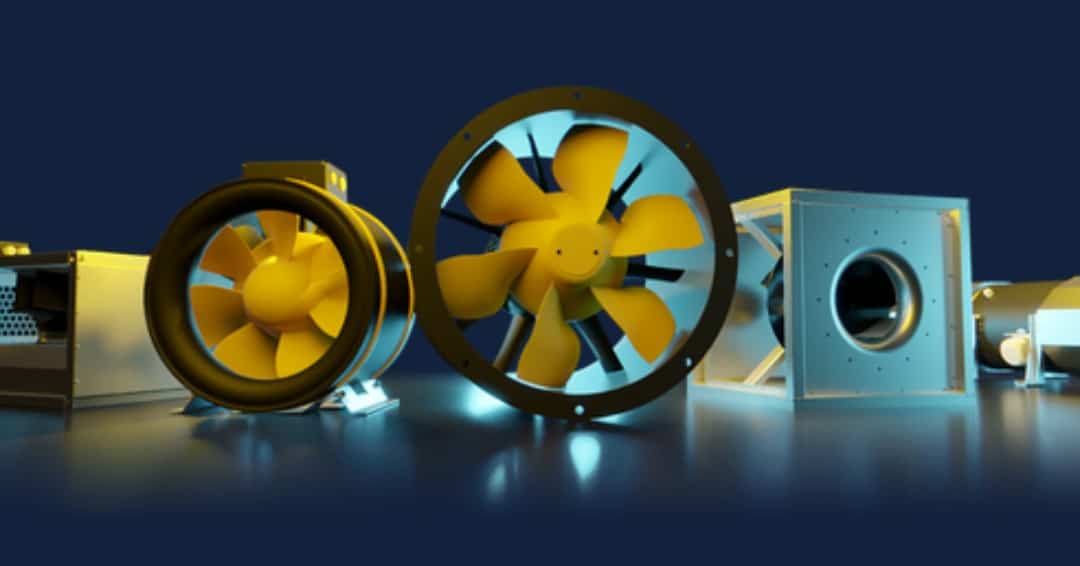
That’s why Air Box works with RUCK inline fans to provide the airflow required to move contaminated air through the filtration system.
RUCK fans are engineered for applications where airflow, static pressure, reliability, and quiet operation matter.
The result is a complete filtration and ventilation solution:
Air Box = Filtration
RUCK = Airflow
Together = A complete air-quality solution
And because RUCK fans are available in configurations designed for high-static-pressure applications, they can be matched to the actual operating requirements of the filtration system rather than simply selecting a fan based on free-air CFM.
Pro-Tip: Don’t Oversize—or Undersize—Your System
There is a temptation to simply buy the biggest fan and filter available.
Bigger isn’t automatically better.
An improperly sized system can result in:
Undersized system → insufficient airflow and inadequate contaminant control
Oversized system → unnecessary energy consumption, noise, and potentially inefficient operation
The goal is properly engineered airflow through appropriately selected filtration.
That’s why we encourage customers to look at the entire system rather than purchasing a filter or fan in isolation.
What About Existing Commercial HVAC Systems?
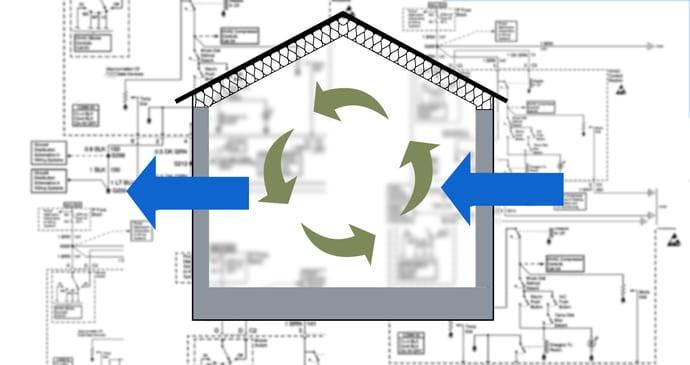
If you’re adding carbon filtration to an existing HVAC system, there are several questions worth answering before selecting equipment:
✔ What is the existing airflow?
✔ What contaminants are you trying to control?
✔ What is the required ACH or recirculation rate?
✔ What is the available static pressure?
✔ What is the pressure drop across the proposed filter?
✔ What duct size is available?
✔ Is additional particulate filtration required?
✔ How frequently will the filter need to be replaced?
✔ Where should the filtration system be located?
These questions help turn a simple CFM calculation into a properly designed air filtration solution.
And Don’t Forget Filter Replacement
A filtration system isn’t a one-time purchase.
It is an ongoing air-quality program.
As carbon becomes saturated and particulate filters load, filtration performance and airflow can be affected.
That’s why maintaining a regular replacement schedule is critical.
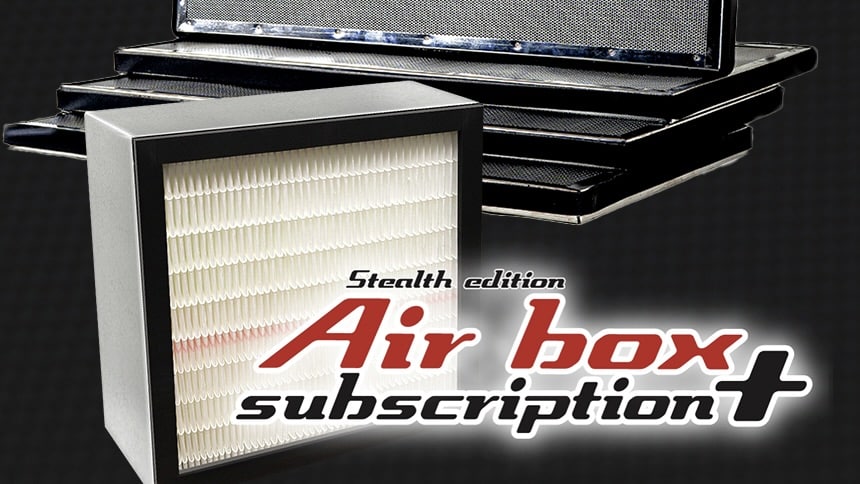
And it’s also why Air Box introduced Subscription+.
Subscription+ Makes Filter Replacement Easier
Instead of remembering when filters need to be replaced, Subscription+ helps facilities stay ahead of routine filter maintenance.
With scheduled replacement filters, facilities can:
✔ Maintain consistent filtration performance
✔ Reduce maintenance guesswork
✔ Avoid unnecessary downtime
✔ Keep replacement filters on hand
✔ Protect their investment in filtration equipment
Every Air Box system represents more than a one-time equipment purchase.
It is an ongoing clean-air solution that needs ongoing filter maintenance.
Air Filtration Is a Solution—not Just a Product
At Air Box, our goal isn’t simply to sell you a filter.
We’re here to help solve your air-quality challenge.
Whether you’re dealing with industrial odors, VOCs, smoke, commercial HVAC filtration, indoor growing, manufacturing emissions, restaurant odors, or general indoor air-quality concerns, the right solution starts by understanding:
What are you trying to remove?
How much air needs to be treated?
How much airflow is required?
What are the operating conditions?
How will the system be maintained?
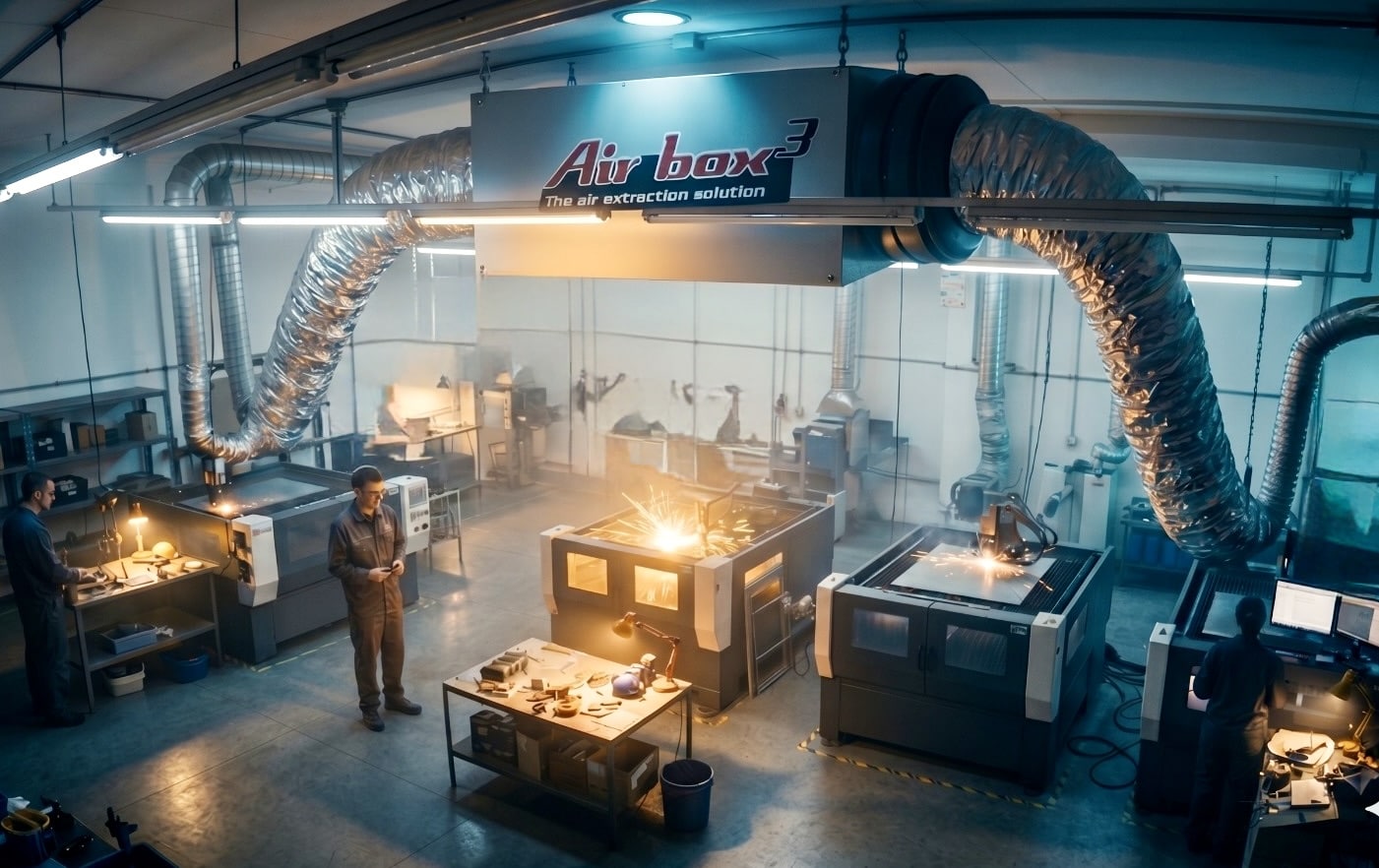
Once those questions are answered, the right combination of Air Box filtration and RUCK ventilation becomes much easier to determine.
Quality Air. Proven Performance. Trusted by Professionals.
Air Box has been helping customers solve challenging air-quality problems for years.
From commercial facilities and manufacturing plants to restaurants, indoor growing operations and residential applications, our focus remains the same:
Provide quality filtration. Provide reliable airflow. Provide a solution that works.
If you’re planning a new commercial HVAC filtration project, upgrading an existing system, or simply trying to determine the right CFM for your application, start with the calculation—but don’t stop there.
Need help sizing your system?
Talk to Air Box about your application and let us help you determine the appropriate filtration, airflow, fan, and replacement-filter strategy for your facility.
Air Box + RUCK
Engineered filtration. Powerful airflow. One complete solution.
Quality Air. Proven Performance. Trusted by Professionals.
